Texas A&M steps in to help when disaster strikes
From helping communities recover from disasters to saving the lives of those in need, Texas A&M is stepping up and showing what selfless service really means.
- Photo Gallery
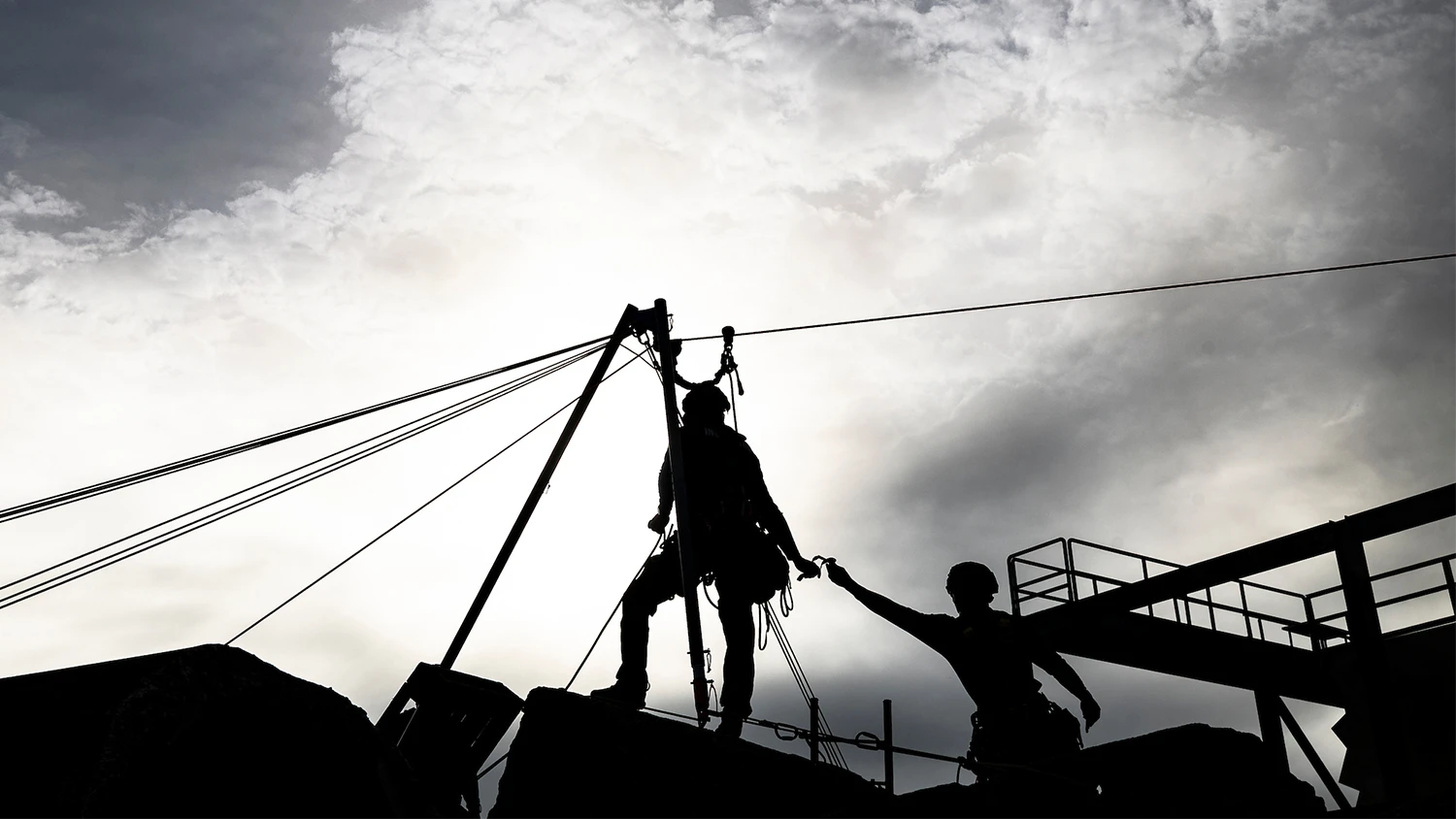
Through training, research and emergency response, Texas A&M serves before, during and after disaster strikes. This legacy of service extends into every corner of Texas and across the nation, showing what a difference Texas A&M can make in the lives of those in need.
Disaster can strike at any time, anywhere. And when it does, Texas A&M University stands ready to help. From training first responders and veterinarians to leading research in emergency management and deploying teams that rebuild communities after devastation, Texas A&M has the expertise to help people prepare for and recover from the unthinkable.
That expertise extends beyond the classroom and into the field, where experts work side by side with students and communities to share their experience and dedication to serving others in times of need.
“When the nation asks, ‘Who should I call?’ the top-of-mind answer will be Texas A&M University,” said Ethan Braden, the university’s chief marketing and communications officer. “Texas A&M was founded to serve. While many debate what is the best university in the nation, we are focused on being the best university for the nation.”
And part of being the best university for the nation is ensuring the university works with its partners to help people on the worst day of their lives.
Simulating disasters to prepare for the real thing
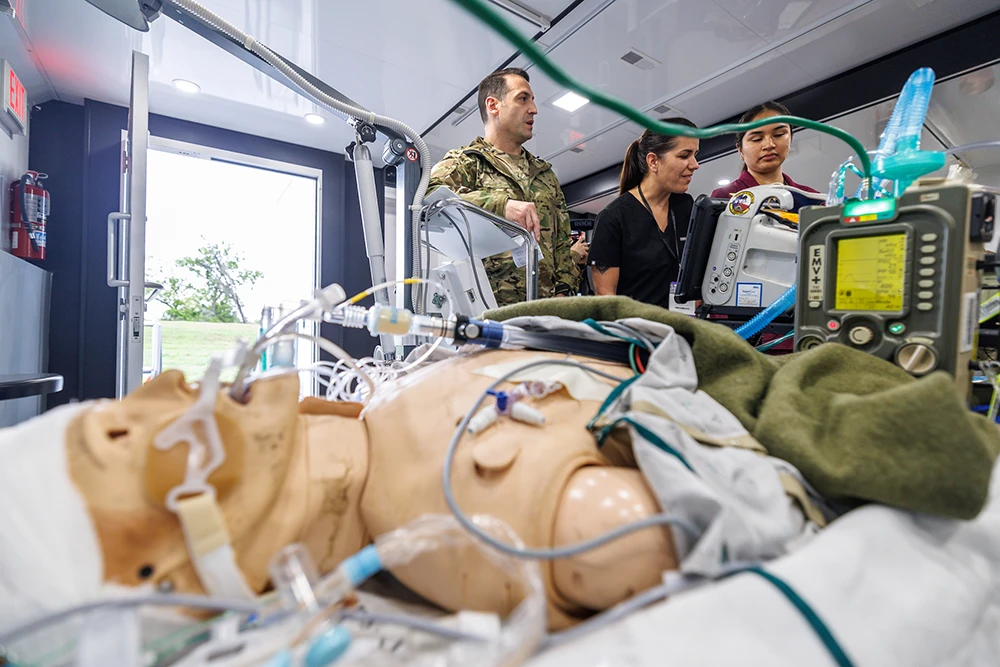
When it comes to disaster preparedness, Texas A&M leaves nothing to chance. To be ready at a moment’s notice, the university conducts simulations to ensure responders have a safe, realistic and dynamic environment in which they learn and practice for real-world situations.
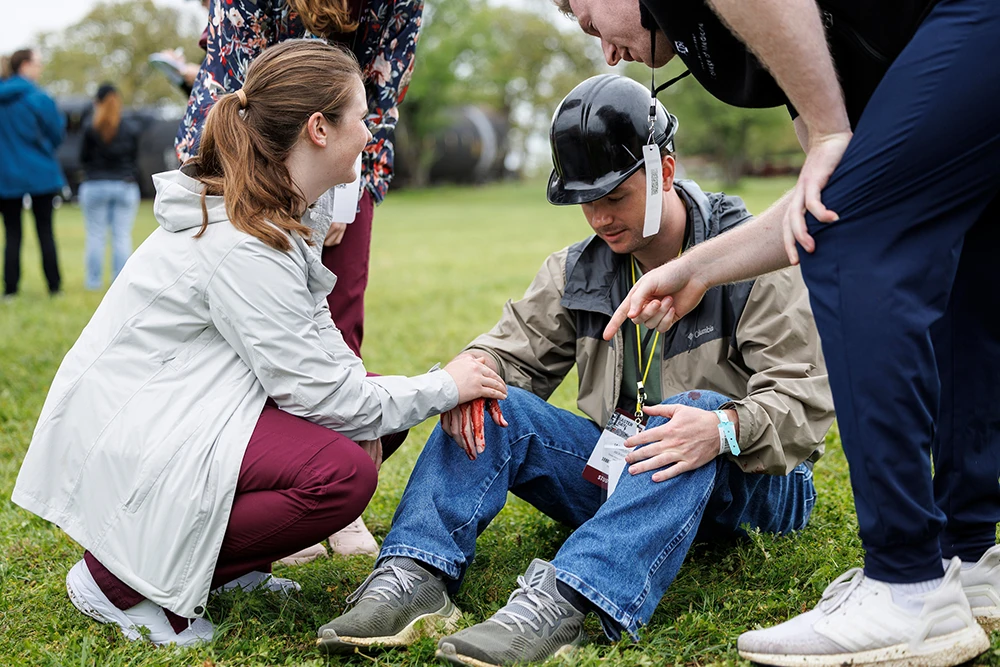
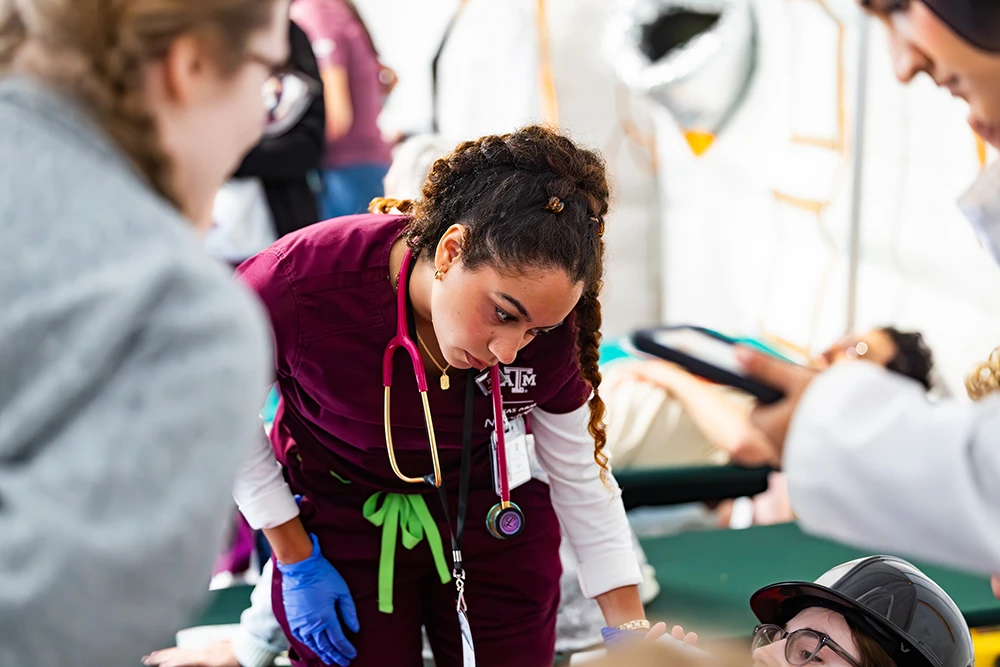
Now approaching its 18th consecutive year, Texas A&M Health’s Disaster Day closes the gap for interprofessional collaboration and training through a large-scale, student-led disaster response planning event. “Aggies train in realistic simulations so that when disaster strikes, we are ready,” said Tyler Watson ’27, student planning director for Disaster Day 2025, which was conducted in late March.
The event is held annually at Texas A&M Engineering Extension Service’s (TEEX) Disaster City, a 52-acre mock city where human-made and natural disaster scenarios are created, ranging from victims buried under rubble to family reunification centers. The event provides students who plan to pursue careers in emergency services, health care or similar fields with an opportunity to experience something as close as possible to an actual disaster before they are called upon for the real thing.
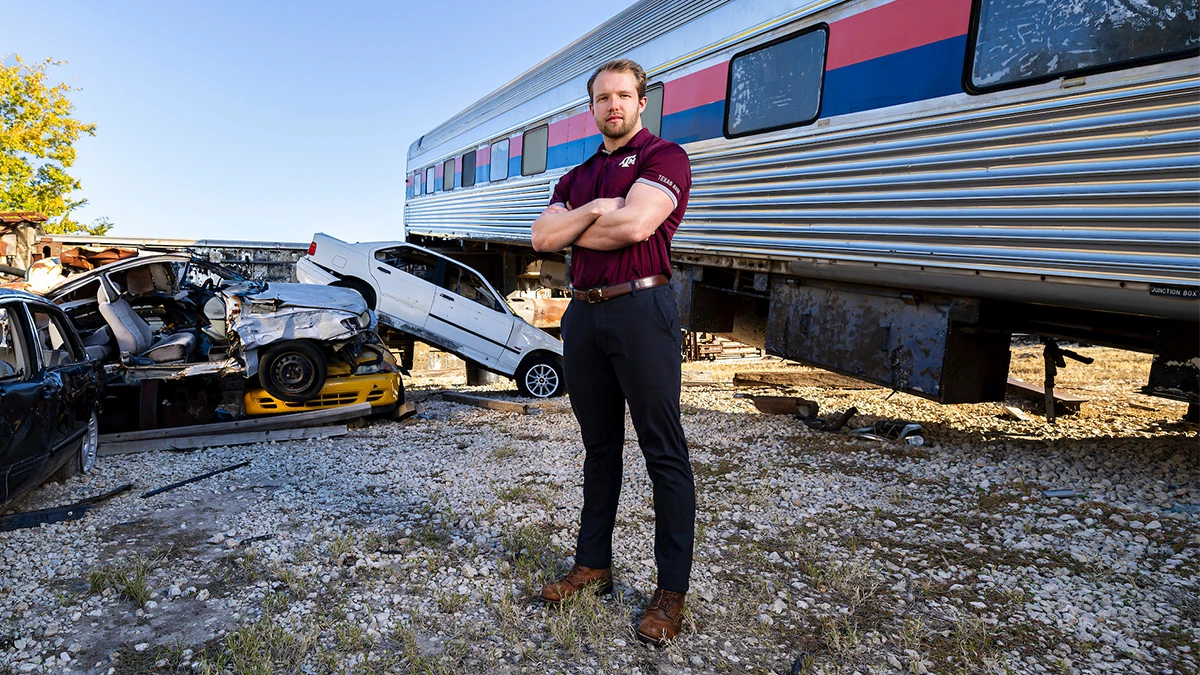
Aggies train in realistic simulations so that when disaster strikes, we are ready.
The specific Disaster Day scenario is kept secret until the day of the event to make the simulation more realistic, and each year is different. The event is run by a student team that includes over 50 Texas A&M Health students — including the Colleges of Nursing, Medicine, Pharmacy and Dentistry, and the School of Public Health — who are responsible for every detail, from organizing student participation and training to creating the case scenarios for the drill itself.
They receive guidance from Texas A&M faculty and staff involved in health care disciplines, as well as TEEX/Disaster City staff and members of the Texas Division of Emergency Management. The opportunity to collaborate extends to others at the university, including the College of Veterinary Medicine and Biomedical Sciences, Texas A&M Athletics and psychology students in the College of Arts and Sciences.
“We put on a training exercise where we create chaos,” Watson said. “We bring together providers of all kinds to work as a team and understand how to respond when an emergency, like a disaster, strikes. This gives them the opportunity to learn how to communicate and work across different types of disciplines, from medicine to pharmacy to nursing and even mental health providers.”
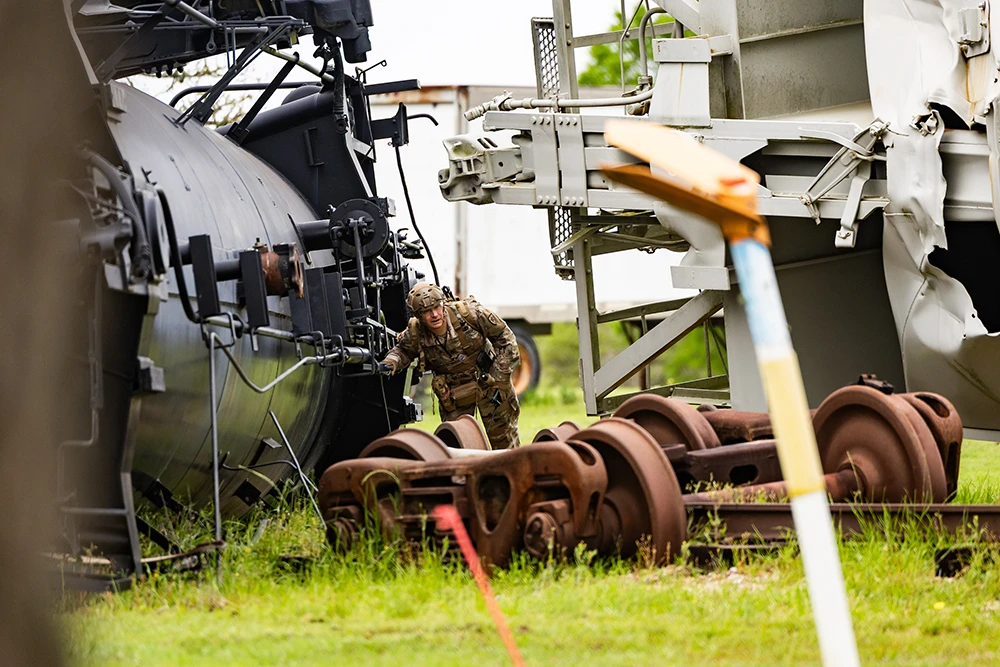
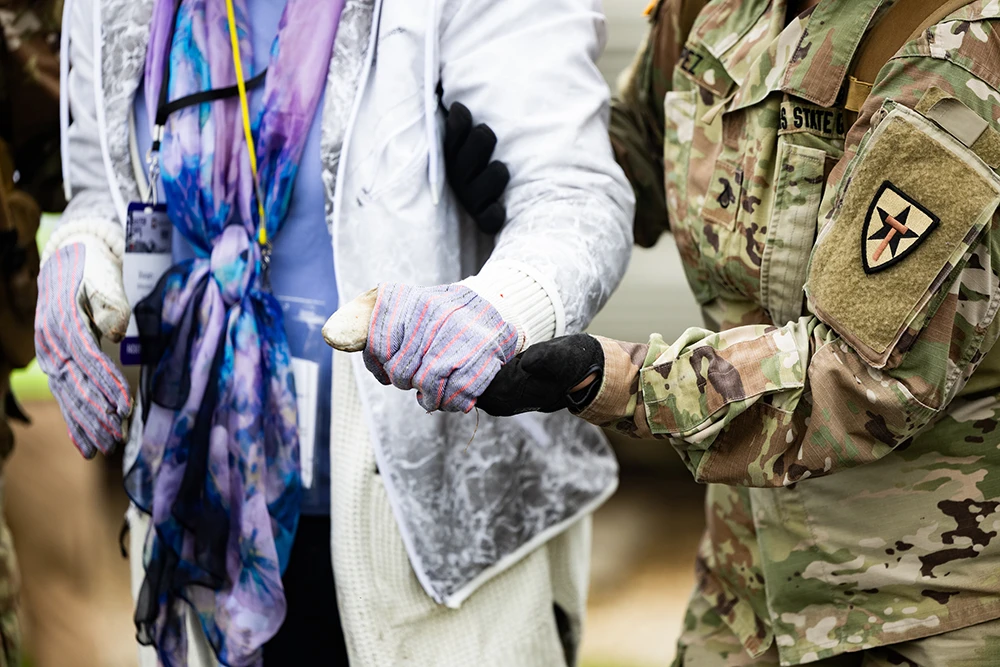

Photos by Abbey Santoro and Whitney Moody/Texas A&M University Division of Marketing & Communications
One of the past simulations was a mass shooting scenario. That simulation had a real-world impact when one of the student participants, Nicole Mancuso Castellano ’14, found herself in a devastating situation after graduation. Castellano was working as a nurse in a Las Vegas hospital following the 2017 mass shooting at a music festival. She was one of the few nurses on call that night who had received mass casualty response training because of her active participation in Disaster Day.
Castellano credited the techniques she learned there with helping her mentally prepare for the experience of the Las Vegas shooting. “If it wasn’t for them, I would not have known what to do, and I don’t think I would have been able to keep my composure and stay calm and figure out who needs help right away.”
Search and rescue
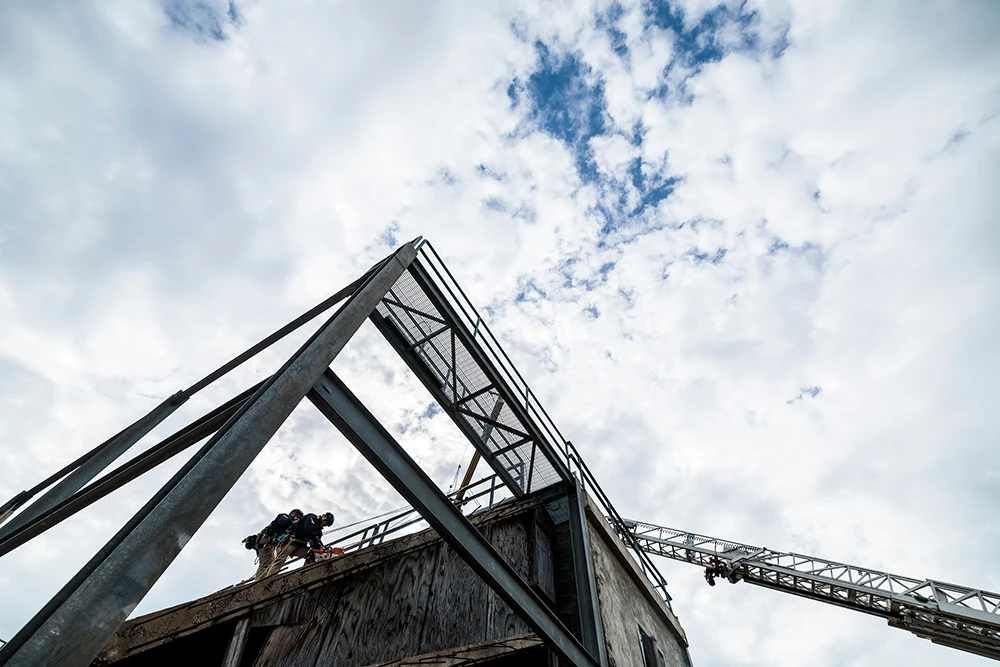
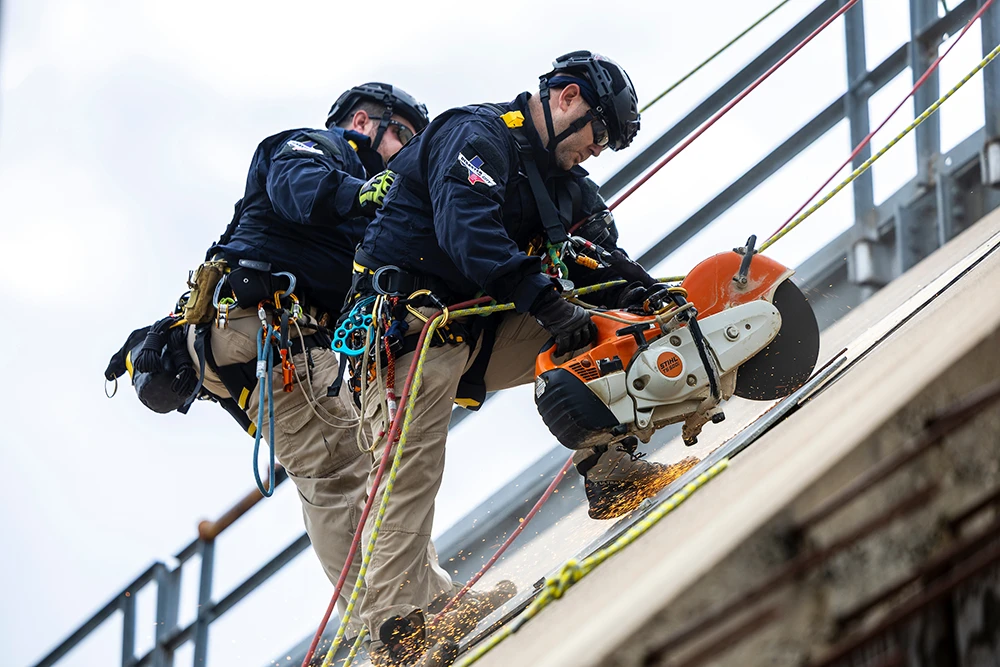
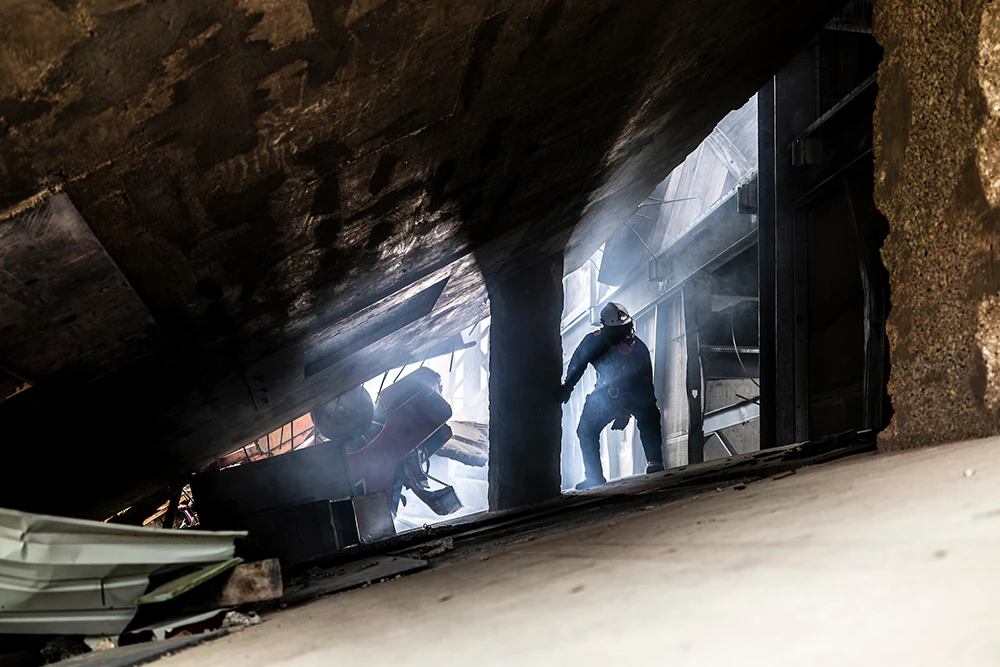
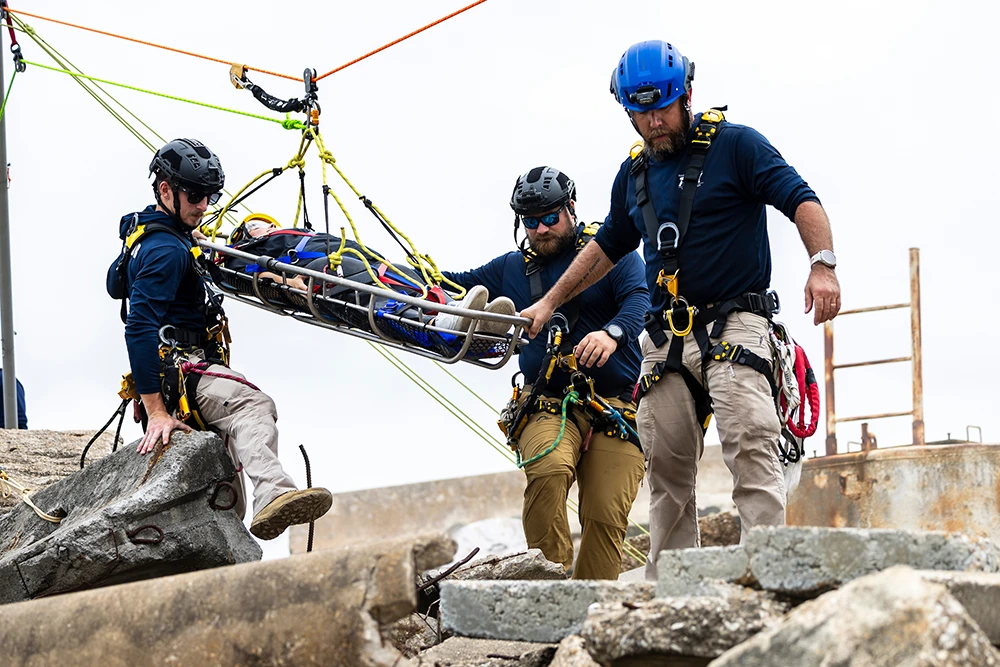
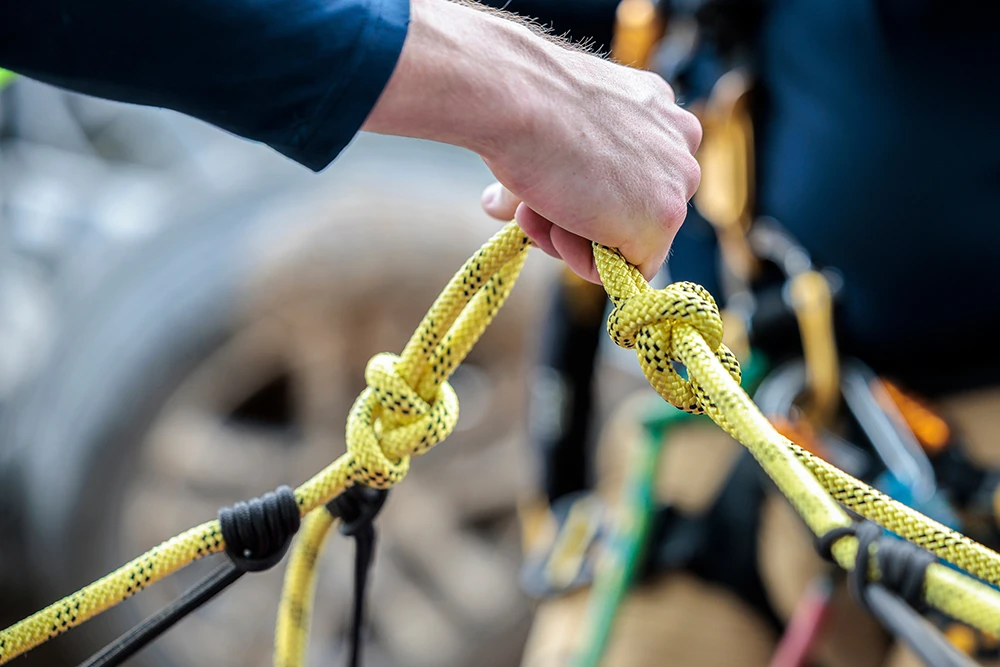
When disasters occur, response time and preparation are critical. These are skills that the men and women of Texas A&M Task Force 1 (TX-TF1) have honed over the last 28 years and more than 200 deployments within Texas and the U.S.
The team consists of highly trained professionals, including firefighters, medics and structural engineers. They have helped search for victims of the World Trade Center collapse and performed swiftwater and helicopter rescues after severe weather and flooding events. From natural disasters to man-made ones, TX-TF1’s work is vital, as they work to save lives in unstable and often dangerous environments.
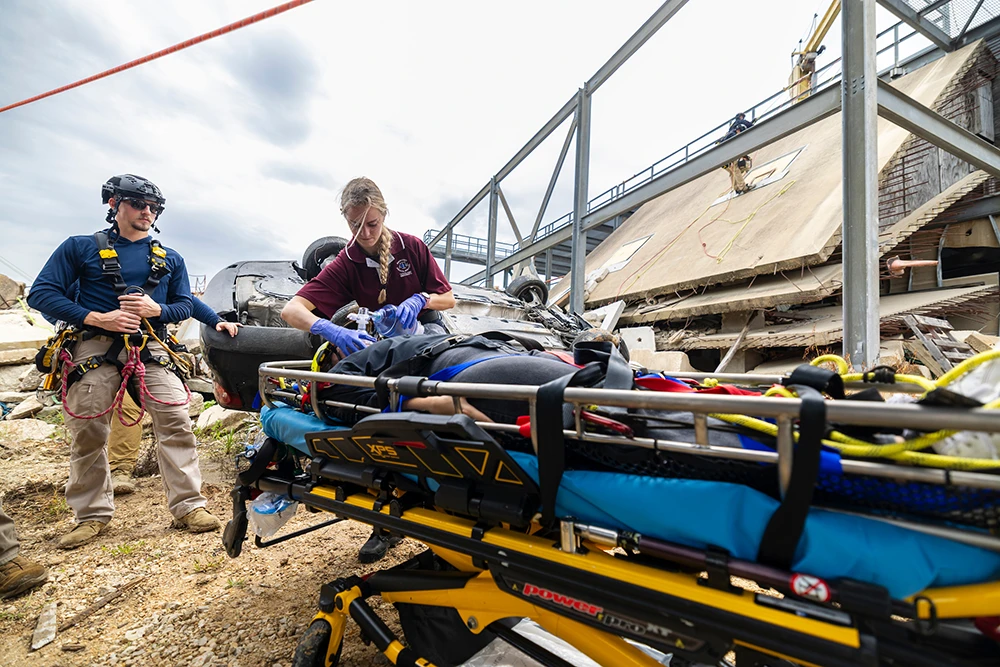
Photos by Abbey Toronjo/Texas A&M University Division of Marketing & Communications
TX-TF1 is part of TEEX, one of eight state agencies within The Texas A&M University System. TX-TF1 is also one of the 28 federal teams under the Federal Emergency Management Agency’s National Urban Search and Rescue System and a statewide urban search and rescue team operating under the direction of the Texas Division of Emergency Management.
Working alongside the team are the urban search and rescue canines, often going where their human counterparts can’t. Their work is both dangerous and vital in rescue missions, and these four-legged responders must be healthy and mission-ready at all times.
That’s where the Texas A&M Veterinary Emergency Team (VET) comes in.
Supporting four-legged heroes
Search and rescue dogs use their sense of smell to navigate and locate survivors, and the work they do is intense, often taking a physical toll on them. Dr. Deb Zoran, director of VET and the team veterinarian for TX-TF 1 and 2, and her team focus their efforts on supporting the health and well-being of the four-legged heroes deployed to disaster areas. They ensure that these dogs are in top condition to perform their important work because injuries can happen quickly in the field — especially when a dog is traversing rough, uneven terrain and covering up to 20 miles a day.
“Our role on the Veterinary Emergency Team over the years has developed into the role of being there to keep them in the game, to support them to be the best they can be in the disaster response and in the search, but also to provide care for them when they’re injured, because it’s very, very dangerous work. They are the true heroes in this business. We want to be there for them.”
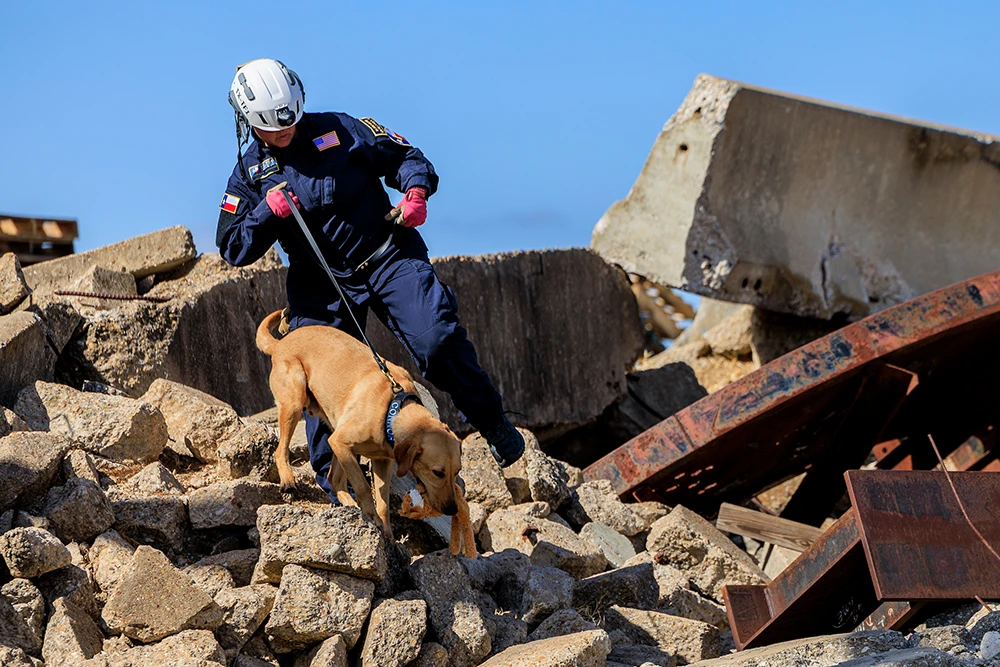
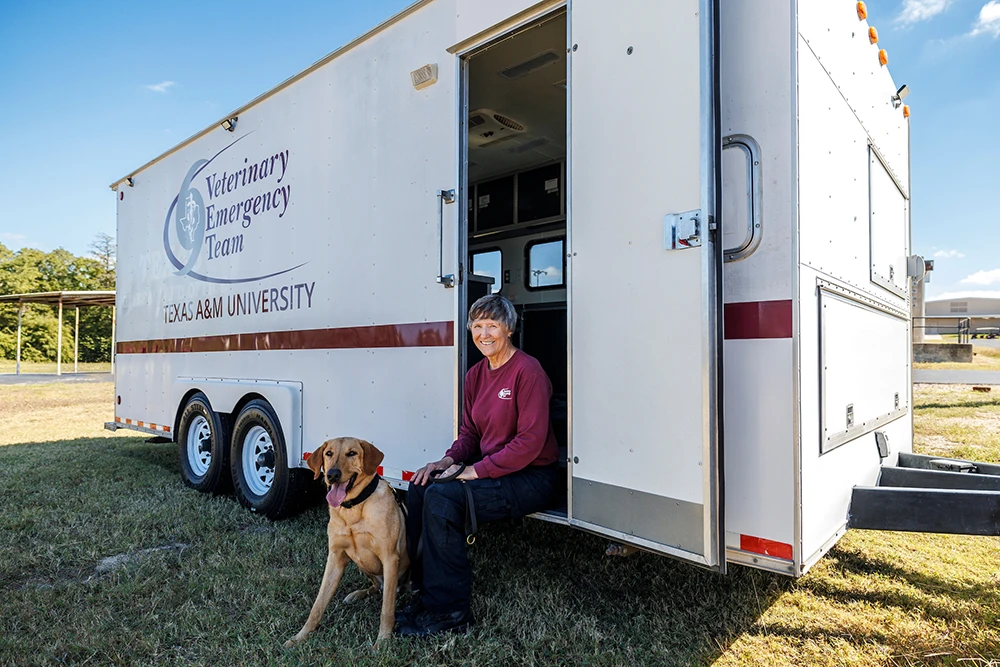
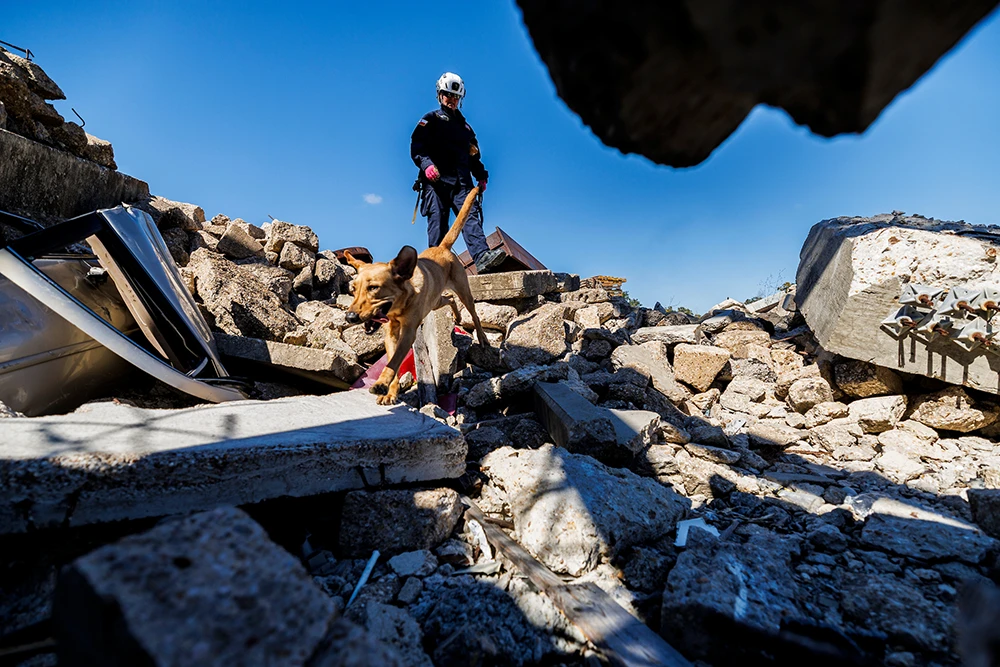
Photos by Abbey Toronjo/Texas A&M University Division of Marketing & Communications
Whether they are walking through rubble, flooded areas or fire zones, search and rescue dogs often work at a grueling pace, and injuries can happen at any time in the field.
“Our most important mission when we’re there with them is checking them out every day, providing musculoskeletal support,” Zoran said. “They’re doing more than a half-marathon over incredibly difficult terrain. In Kerrville, it was tree debris and all of the sand and rocks and things. In North Carolina, it was mountains and tree debris and all of the things, the houses and things that slid down the mountains. They have to search through incredibly difficult conditions. We have different kinds of therapies that help keep the athlete in the game as they are working to find people.”
In addition to deploying with TX-TF, the VET has been requested to support 29 communities affected by disasters that have ranged from the 2013 West, Texas, fertilizer plant explosion; Hurricanes Harvey, Ian and Laura; the 2017 Van Zandt County tornadoes; two separate wildfire tragedies in Butte County, California; the Smokehouse Creek Fire; and, most recently, the Kerr County flooding, among many others.
By providing on-the-ground medical care and supporting sheltering and reunification efforts, the team has treated more than 900 large animals and 4,690 small animals affected by disasters, ensuring that families’ four-legged members are not forgotten.
When the VET is not deployed, the team works to educate the next generation of veterinary first responders through a first-of-its-kind fourth-year clinical rotation, during which the students participate in annual exercises and deployments, traveling with the team to counties across the state in support of the development of disaster preparedness plans designed to fit the unique needs of the county.
Through these efforts, more than 2,000 future Aggie veterinarians have received emergency planning and preparedness training, and more than 100 county plans have been developed.
Preventing disasters in cyberspace
In today’s technologically advanced and interconnected world, some of the most devastating disasters take place in the cyberworld. A cyberattack during a disaster could cripple communications networks, causing delays in response time and recovery efforts, and sowing chaos at a time when every minute counts.
That’s why Dr. Nitesh Saxena, professor in the Department of Computer Science and Engineering at Texas A&M and associate director of The Global Cyber Research Institute, is working on finding ways to help protect against cyberattacks that could negatively impact disaster recovery. The institute, endowed by former students Ray Rothrock ’77 and Anthony Wood ’87, was created in 2021 to address the growing threat of malicious cyberattacks.
“Cybersecurity is important because if you are not protecting your cyber systems, then attackers can hack into them, and then they can cause all sorts of chaos — financial chaos, chaos in the context of disaster recovery. It could be detrimental to society as a whole,” Saxena said. “Cybersecurity nowadays is not something that will be an afterthought. It is an essential element of our infrastructure.
“You can imagine that even under disaster recovery, there could be cyberattacks that could make the situation worse. Texas A&M gives me the power to actually work on cybersecurity problems that will relate to not just normal operations, but also these natural disaster situations,” Saxena said.
Helping communities and people recover from disasters takes expertise, collaboration and a drive to be a force for good. It requires working together to make a difference in people’s lives and being there to help when the unthinkable happens. That’s why Texas A&M is always standing at the ready when called.
Texas A&M University is one of Fast Company’s 2025 Brands That Matter, standing alongside some of the world’s most impactful organizations, and the only university in the nation honored this year. The recognition highlights brands that connect purpose, creativity and culture in ways that make a meaningful difference in people’s lives. The 2025 list celebrates organizations that demonstrate cultural relevance, ingenuity and measurable impact.