
hurricanes
Texas A&M experts help communities prepare for and recover from disasters
Oct. 27, 2025 • 6 min. readWith data prediction models, researchers can help communities lessen the impact of future disasters on residents and their homes.
Texas A&M Experts Available To Talk About 2025 Hurricane Season
May 30, 2025 • 19 min. readFaculty members from across the university can provide insights on forecasting, storm impacts, emergency response, coastal resilience, recovery efforts and more.
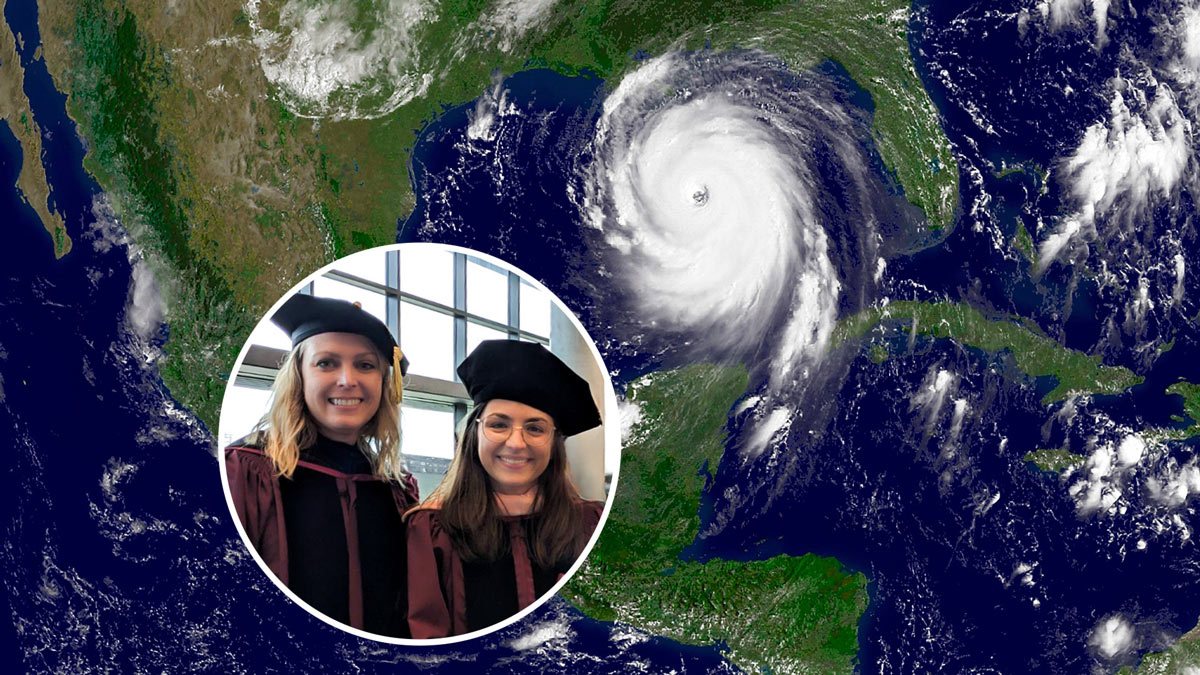
Two researchers connect 12 years after Hurricane Katrina to aid communities damaged during Hurricane Harvey, bring forward the resiliency and unity to be found amid widespread devastation. Their collective efforts carry forward the Aggie Spirit through volunteer work, resource mobilization and emotional support for those affected.
Professors Detail What FEMA Is Doing To Get Hurricane Victims Back Into Their Homes
Oct. 31, 2024 • 6 min. readExperts from the Texas A&M College of Architecture study the impacts of natural disasters and how communities recover.
As hurricane season continues to affect communities, researchers at Texas A&M are using AI to assess the damage.
Hurricane Helene’s Heavy Rainfall Lends Weight To Study On Effects Of Climate Change
Oct. 2, 2024 • 3 min. readResearch led by atmospheric scientist Dr. John Nielsen-Gammon found that climate change has intensified storm-related rainfall by nearly 20%.
As hurricane season continues, Texas A&M experts explain how naming conventions for major storms have evolved over the years.
More than 40 faculty and staff experts are able to contribute to hurricane-related media coverage.
AgriLife Extension Disaster Response Teams Respond To Landowners’ Requests Following Hurricane Beryl
July 22, 2024 • 2 min. readCounties on the disaster focus list include Matagorda, Wharton, Harris, Brazoria and Fort Bend.
Texas A&M researchers are using AI to improve the management of disasters like hurricanes before, during and after the events.