Wearable technology may inspire healthier habits
An expert gives guidance on what watches, rings and bands can (and can’t) do for your wellness at home and in the clinic.
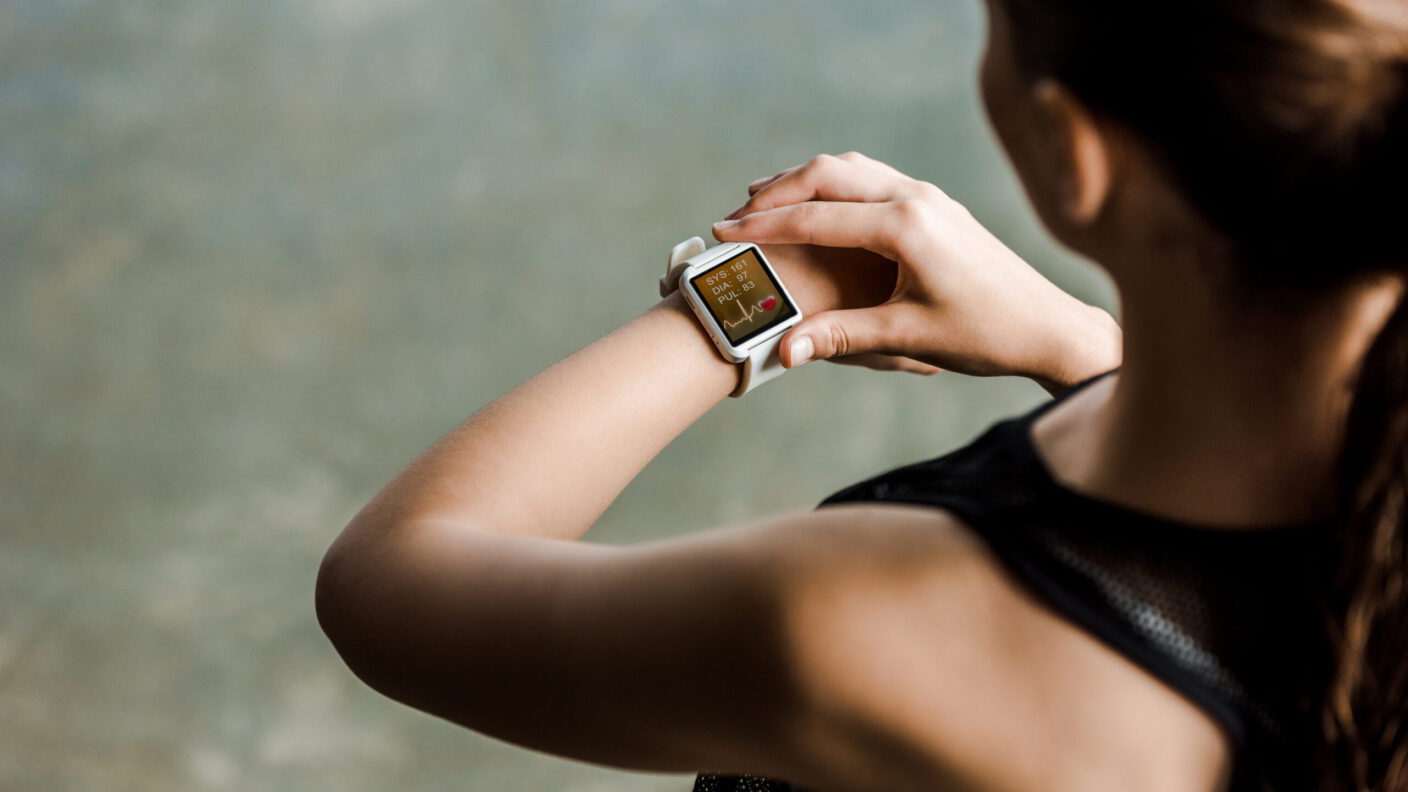
The use of wearable technology is on the rise, with a projected increase of 12.8% from 2025 to 2030.
Over the past two decades, advances in technology have made smartphones nearly universal. But personal tech goes beyond phones. A 2023 study found that nearly one in three Americans now uses a wearable smart device — like a watch or fitness band — alongside their smartphone to monitor health and fitness.
Mark Benden, an environmental and occupational health researcher at the Texas A&M University School of Public Health, said the upgrades to personal tech over the last five years have greatly improved the investment for the consumer, as more advanced tech continues to provide more accurate data.
Motivation and gamification
This tech, though sometimes pricey for the average person, can have an important role in overall health and wellness. The first, and most important, Benden said, is that it incentivizes us to make healthy choices, like moving more.
“Many diseases in America are linked to lifestyle, so if wearables help us to make healthier choices, they could extend lifespan, or even more importantly, extend our health span and quality of life,” Benden said. “I think these devices can play a big part in moving us toward a culture of prevention.”
As constant health monitoring becomes more accessible, Benden believes using wearable devices in clinical settings could significantly influence population health. Unlike the single data point physicians often get during office visits, wearables reveal long-term trends and enable more targeted testing in the clinic. For example, he continued, if someone goes into the clinic with an elevated heart rate, a physician might chalk it up to being nervous or ill, but a continued trend of elevated heart rate picked up by a smartwatch could indicate a more serious issue that constitutes further examination.
Benden noted that wearable devices also gamify health tracking, creating an enjoyable challenge to keep wearers engaged. Many algorithms offer rewards for completing activities and deduct points when tasks aren’t finished. He added that this approach could expand to other parts of daily life, encouraging people to be more active and motivated.
Mindful use and tomorrow’s wellness
Despite these benefits, wearing a device around the clock can come with drawbacks. Putting too much trust in your wearable — and trying to conform to data and suggestions can sometimes lead to physical or mental health concerns, Benden said. The constant stream of information may feel overwhelming, especially for those predisposed to mental health or body image concerns. He suggested staying aware of the risks of putting too much weight into the data your wearable gives and instead try to customize the type and frequency of alerts to avoid any ill effects.
Another potential drawback is that smart tech for personal use relies primarily on algorithms to calculate the data it presents to the user. These algorithms have a larger margin of error than research grade technology, Benden said. He recommended not using the data given by the device as law, but rather as a guide for overall health and wellness.
“You don’t need data streams for every microsecond like researchers do — just knowing you did 8,000 steps yesterday is plenty of information,” Benden said. “The estimate is good enough, whether it’s 7,900 or 8,500. The important thing is that you’re moving.”
The future of these devices is vast, he believes. Aside from standard personal use, there are uses in occupational safety, for health in children and for elderly well-being. While there are limitations and cautions around wearable devices, the future is looking bright, he said, and they’ll only continue to improve as time goes on, allowing more people to live healthy lives.
“Learn what your device can do, understand its limits and have fun with it,” Benden said. “When you know how to use it well, you can get the most out of your wearable and enjoy all the benefits it brings.”