
Federally funded research
Construction scientists and engineers are learning lessons in space that can be applied for better construction here on the home planet.
The first of its kind, a new adhesive for wearable medical devices could offer relief for allergy-prone skin.
Texas A&M Launches Clinical Trial To Measure Health Benefits Of ‘Agrihood’ Living
July 15, 2025 • 5 min. readResearchers will track how living in an agrihood — a neighborhood centered around a working farm — changes residents’ diet, physical activity and social connectedness.
New technology could lead to faster, more accurate testing to accelerate developments in healthcare and the biotechnology industry.
Researchers are testing a virtual assistant that may help astronauts solve unexpected problems during space travel.
Texas A&M Recognized By Fast Company’s ‘World Changing Ideas’ For Alzheimer’s Disease Breakthrough
June 10, 2025 • 4 min. readThe honor comes on the heels of being named one of the World’s Most Innovative Companies earlier this year.
Replicating Real-Life Blood Vessels To Cure Vascular Disease
May 28, 2025 • 4 min. readA new platform mimics various blood vessel structures, enabling more accurate models of vascular disease and patient-specific research.
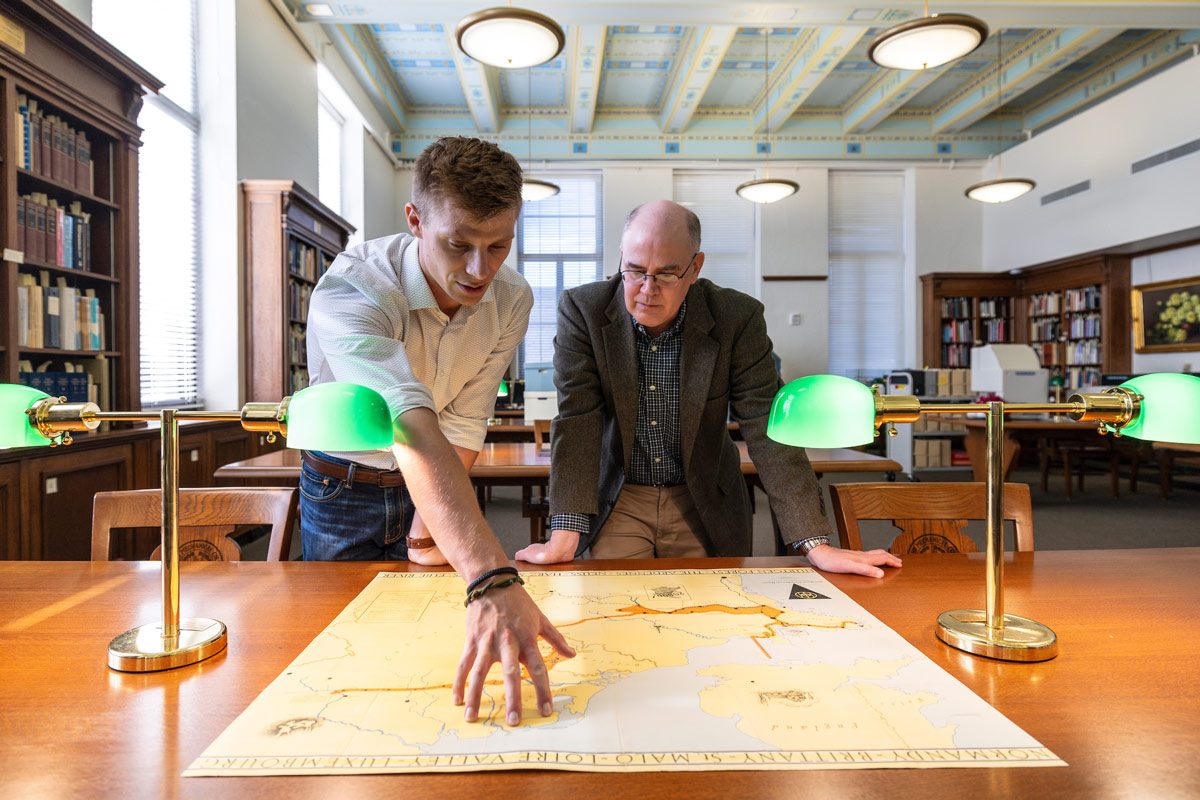
Texas A&M Researcher Works To Bring Home Missing Soldiers
May 21, 2025 • 11 min. readDoctoral student Tristan Krause works tirelessly to help locate the remains of U.S. soldiers who are still listed as missing in action.
Researchers have developed a new AI model to speed up tornado damage assessments and recovery.
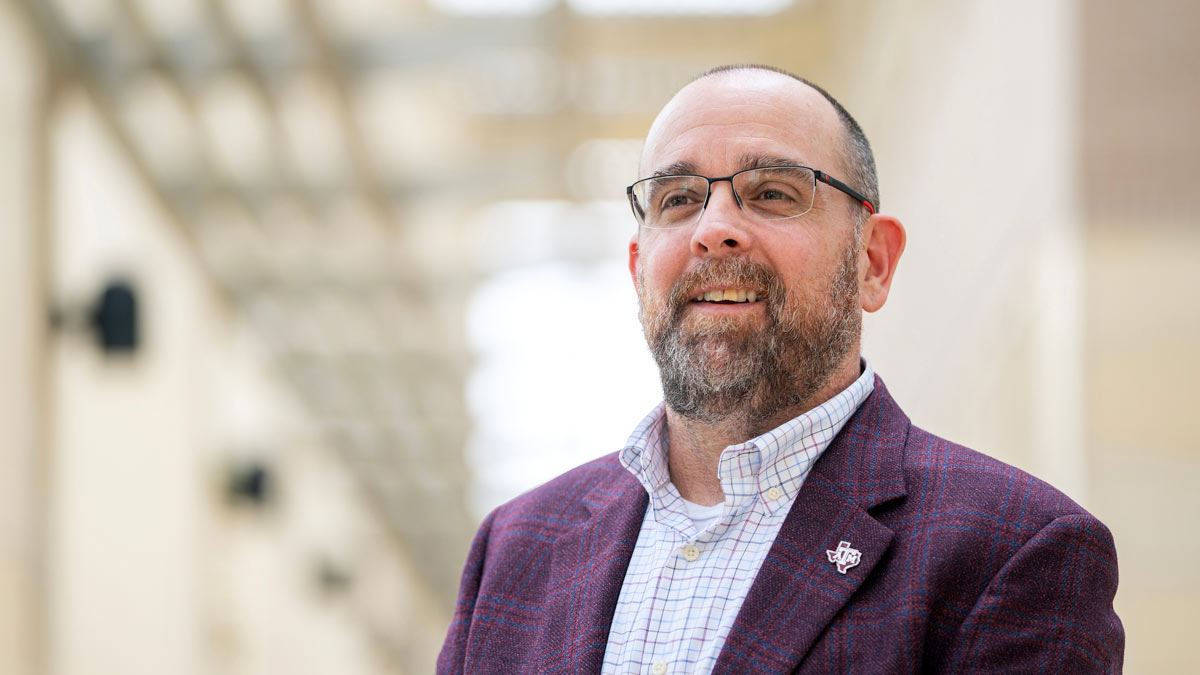
Texas A&M’s aerospace medicine program is pioneering research and education that supports the health of astronauts during long-duration spaceflight.