Creating a healthier future through innovation in medicine
Researchers are advancing breakthrough treatments like 3D-printed medicines, regenerative heart patches and Alzheimer’s therapies by creating practical solutions that transform care and improve lives globally.

At Texas A&M University, building a safer world starts with healthier people. Across our laboratories and research centers, researchers are advancing breakthrough treatments designed to treat illness and transform how care is delivered. From 3D-printed medicines tailored for children to regenerative heart patches and innovative Alzheimer’s therapies, Aggie scientists are turning discovery into world-changing medicine.
These innovations show how we are creating practical, scalable solutions that improve lives across Texas, the nation and beyond.
Alzheimer’s nasal spray
Alzheimer’s disease affects millions of families, yet effective treatment options remain limited. Researchers at Texas A&M are developing an innovative treatment that delivers therapeutic compounds via nasal spray.
This non-invasive approach could slow disease progression and improve quality of life for patients and caregivers alike. It represents a promising step forward in the fight against neurodegenerative disease and underscores Texas A&M’s commitment to tackling society’s most urgent challenges with practical solutions.
Learn more about Texas A&M’s Alzheimer’s breakthroughHealing heart patch
Recovery after a heart attack has long been a difficult and uncertain journey. Damaged heart tissue does not easily heal and is typically treated with oral pharmaceuticals that affect the entire body — not just the injured area. Researchers at Texas A&M are advancing a regenerative heart patch engineered to support healing directly at the site of injury — helping restore strength, improve function and accelerate recovery for patients.
The biodegradable patch is designed to integrate with damaged cardiac tissue, providing structural support while delivering targeted therapeutic cues that encourage regeneration at the cellular level. Using artificial intelligence to help optimize the material’s design and performance, the team is accelerating development of a smarter, more precise solution — one that moves recovery from generalized treatment to targeted repair.
Learn more about the healing heart patch3D-printed pediatric medicines
For children, medicine isn’t one-size-fits-all — yet too often, treatment options are. Researchers at Texas A&M are pioneering 3D-printed pharmaceuticals that allow for personalized dosages, shapes and release profiles tailored specifically to pediatric patients. By leveraging advanced additive manufacturing technologies, they are making medications easier to administer, safer to prescribe and more effective for young patients with unique needs.
This innovation has the potential to fundamentally reshape pediatric care, reducing dosage errors and improving treatment adherence for children with complex conditions. It’s a breakthrough that moves medicine from standardized to personalized — delivering better outcomes for families across Texas and far beyond.
Learn more about 3D-printed pharmaceuticals
Medicine for the Future
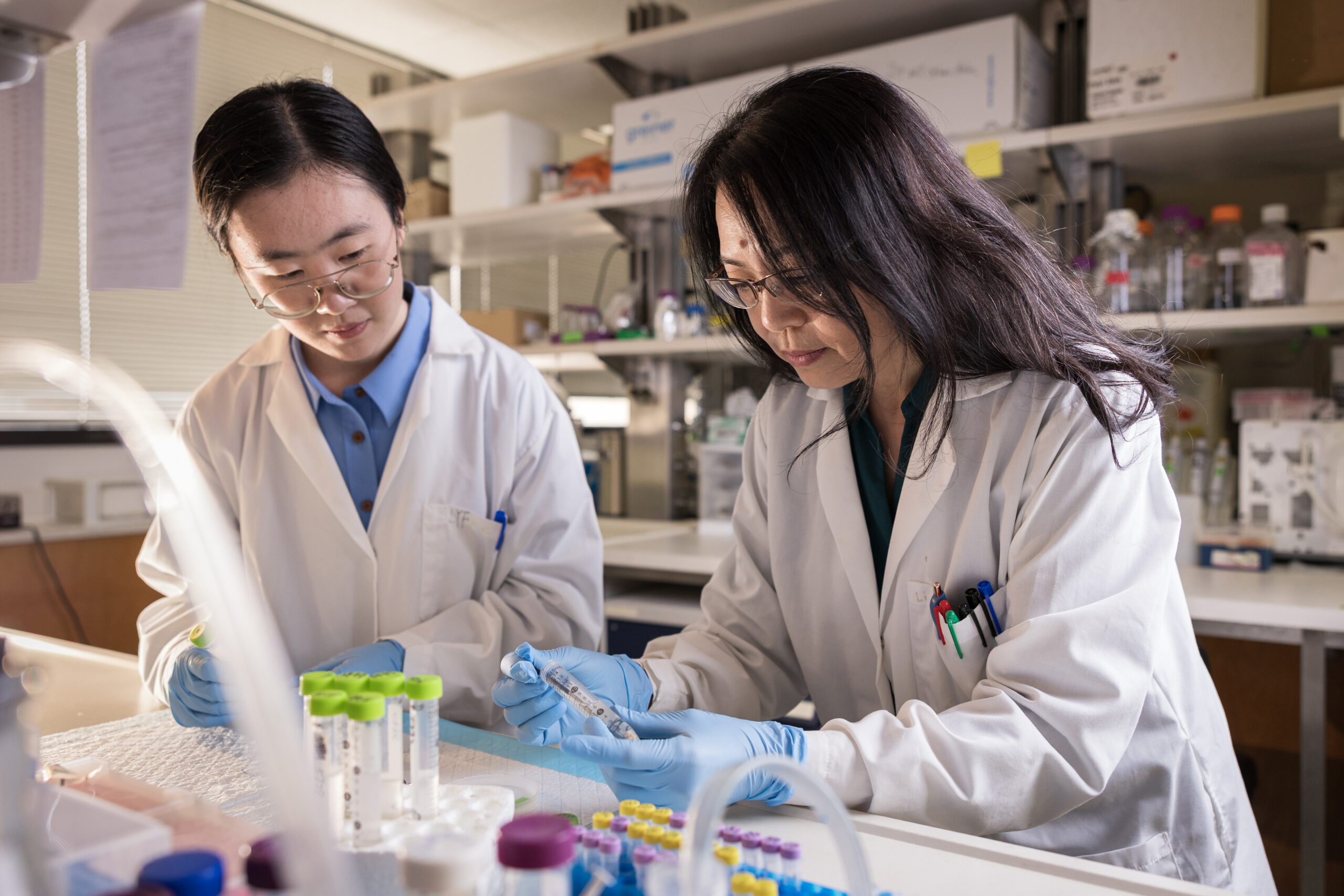
Dr. Jianrong Li’s novel study focuses on the brain’s support cells and myelin, exploring how genetic risk factors may trigger early changes linked to Alzheimer’s.
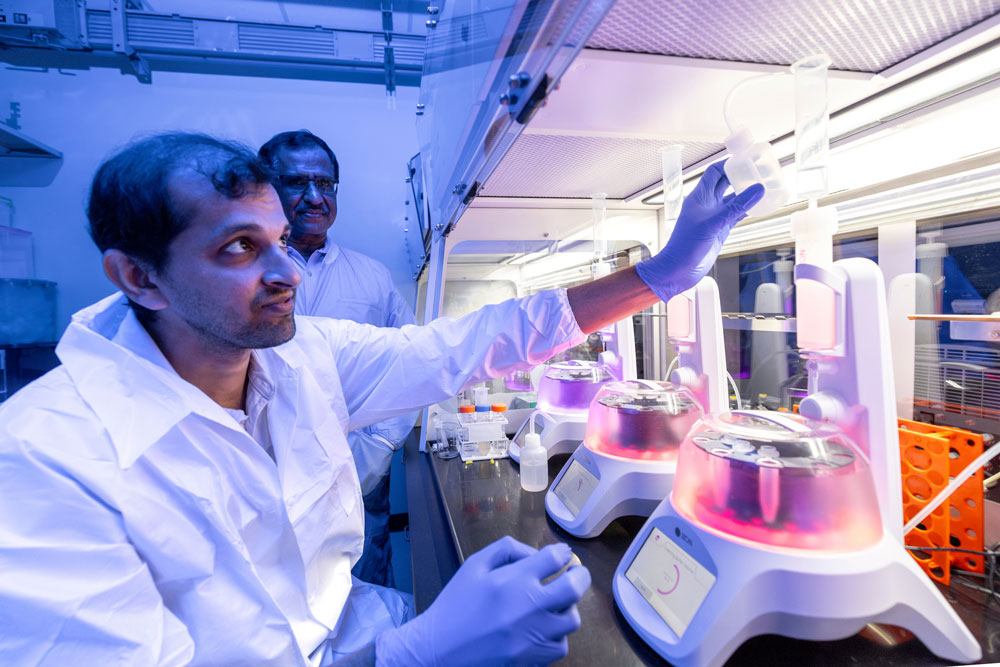
Research from the College of Medicine offers hope for delaying Alzheimer’s disease progression by years after initial diagnosis.

Building on previous findings, researchers are exploring how desynchronized circadian rhythms may trigger brain inflammation associated with dementia risk.