Expert calls for greater role of family caregivers in cancer care decisions
A more inclusive approach inviting caregivers into the process starts simply by asking questions.
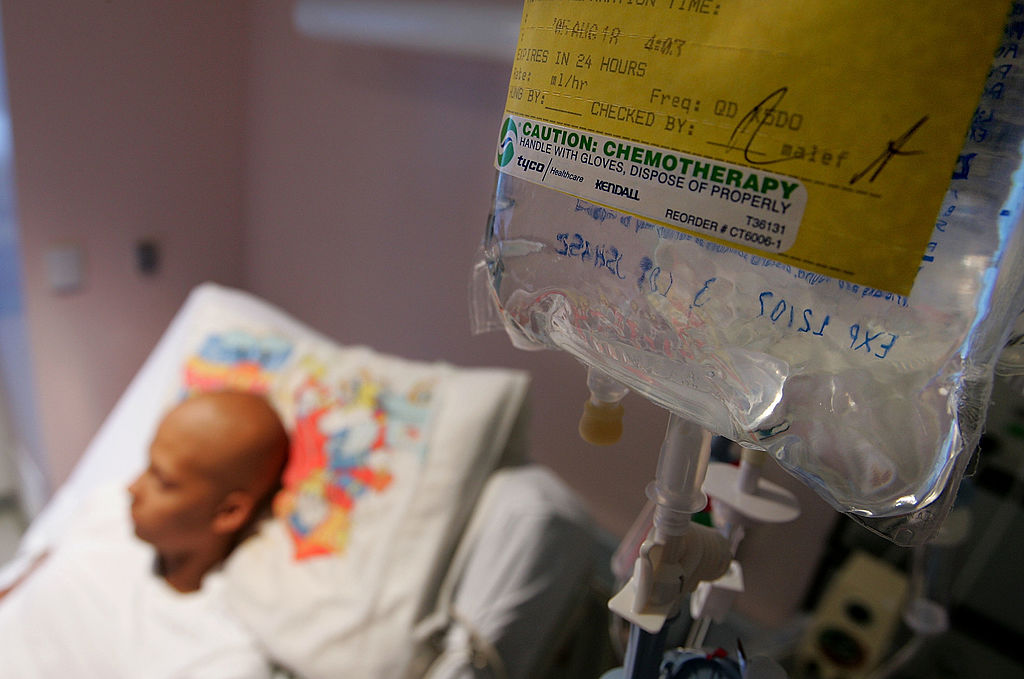
Health services researchers say shared decision-making (SDM) — a collaborative process where clinicians and patients make treatment choices together — should systematically include family caregivers.
Family caregivers often shoulder the responsibility of helping loved ones navigate cancer treatment, yet they are frequently left out of critical conversations about care. Dr. Leonard Berry, University Distinguished Professor of Marketing at Texas A&M University and senior fellow at the Institute for Healthcare Improvement, says that needs to change.
Berry, co-author of a recent article in JCO Oncology Practice with Dr. Karina Steffensen, dean and professor, The Faculty of Medicine, Aalborg University, Denmark, argues that shared decision-making (SDM) — a collaborative process where clinicians and patients make treatment choices together — should systematically include family caregivers.

Leonard Berry
“Among the most important decisions people make pertain to health care, and at stake is the quality of their lives or life itself,” Berry said. “Clinicians have expertise in delivering medical care, but patients and their family members possess essential knowledge about their values, preferences and capabilities. Not pooling these sources of knowledge is a missed opportunity.”
Why caregivers matter
Cancer care often extends beyond the clinic. Patients rely on family members for transportation, medication management and emotional support. These caregivers understand the realities of home life and the practical challenges of treatment plans. Yet, Berry and Steffensen note, caregivers are often relegated to the sidelines.
Research in the U.S. and Europe shows that while caregiver involvement benefits patients and clinicians alike, their voices frequently go unheard. Even in Denmark, where health policy supports inclusive decision-making, Steffensen says caregivers are still overlooked in practice.
“Integrating family caregivers into shared decision-making isn’t just a logistical adjustment — it’s a shift in mindset,” Steffensen said. “Caregivers should be seen not as peripheral supporters, but as essential contributors to the patient’s care journey.”
Barriers to inclusion
Why are caregivers excluded? Berry points to several challenges. Patients and family caregivers may lack confidence or health literacy, discouraging active participation. Clinicians often receive little training in SDM and may feel pressed for time or uncertain about how to involve family members. Concerns about patient autonomy, privacy and family dynamics add complexity.
System-level factors also play a role. Few clinical guidelines explicitly support caregiver involvement, and some clinicians worry that SDM undermines their authority. Meanwhile, caregivers themselves may hesitate to speak up, fearing they’ll overshadow the patient’s wishes.
Practical steps forward
Berry and Steffensen offer practical strategies for clinicians. Start by asking patients: “Would you like to include a family member or caregiver in our discussions about your care?” Then clarify the level of involvement: “Do you want them here regularly, or only at certain points?”
Questions directed to caregivers can elicit valuable insights: “What are your thoughts on the treatment direction we’re considering?” and “Do you feel prepared to support your loved one with this plan?” Double questioning — asking both patient and caregiver about their concerns — can foster open dialogue and psychological safety.
A call to action
Expanding SDM to include caregivers can make treatment plans more realistic and sustainable. It ensures decisions reflect not only clinical evidence but also the lived experience of patients and families.
“This is about improving care quality and efficiency,” Berry said. “When caregivers are engaged, patients potentially receive more optimal clinical treatment.”
Berry hopes the oncology community will embrace this approach, not just for cancer care, but for any serious illness requiring extensive home support.
“Caregivers are not optional,” he said. “They are part of the team.”