Space
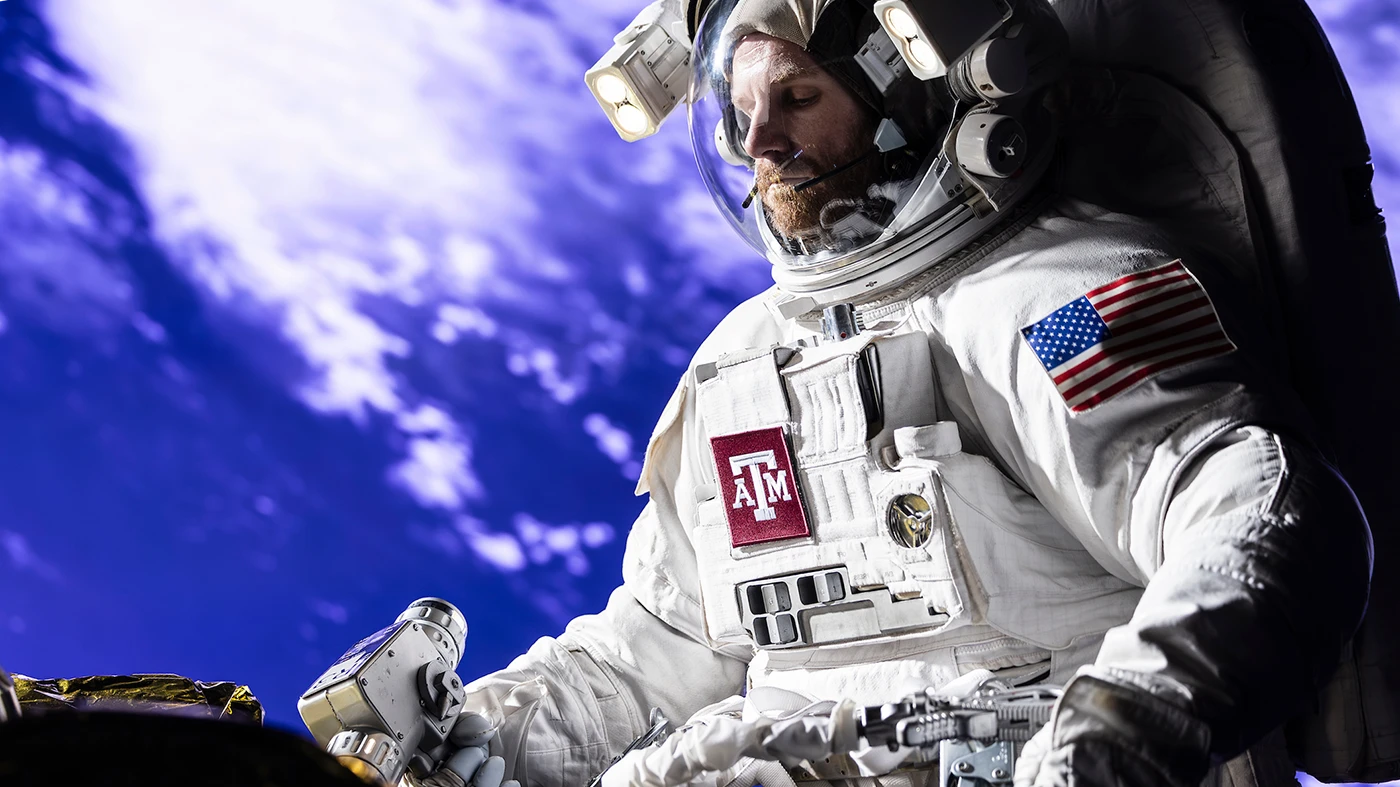
With astronauts at the helm of critical research and educational programs at Texas A&M University and labs that support space pioneering from ground control to the stars, Texas A&M perpetuates a sense of wonder and a pattern of innovation in space exploration.
Featured Stories
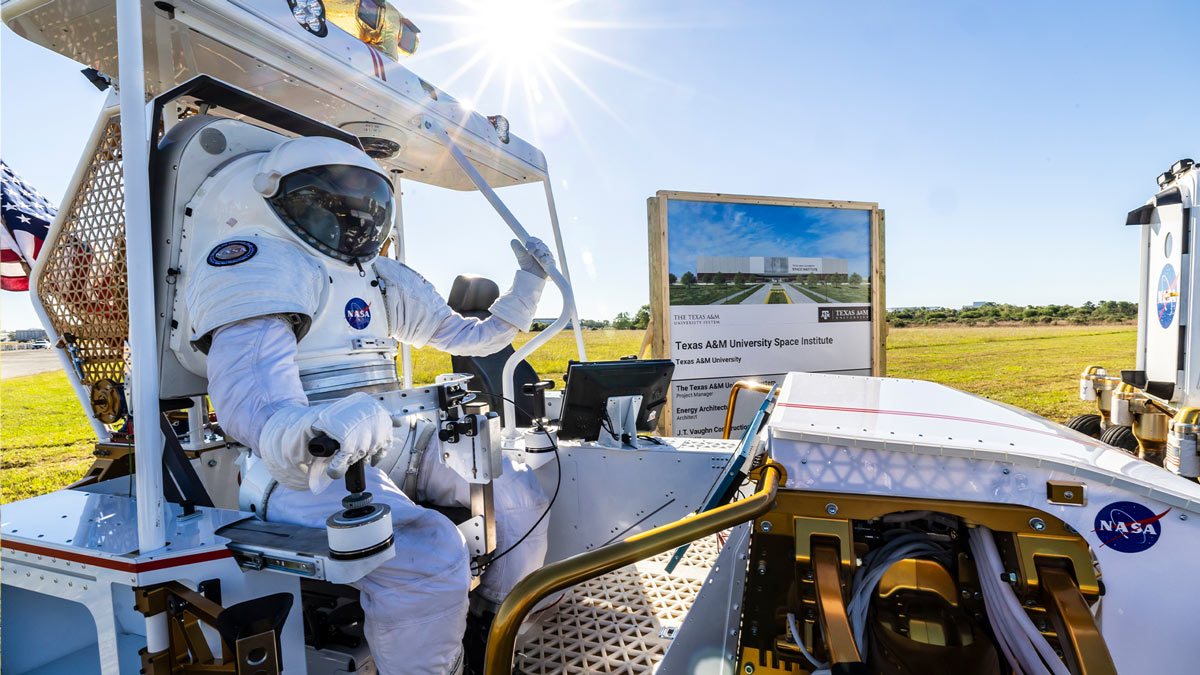
Launching the future: Texas A&M University’s Space Institute will be a hub for innovation and exploration
March 3, 2025 • 6 min. readThe cutting-edge facility will propel groundbreaking research, fuel industry collaborations and prepare the next generation of scientists and engineers to lead humanity’s next great frontier.

Texas A&M’s aerospace medicine program is pioneering research and education that supports the health of astronauts during long-duration spaceflight.
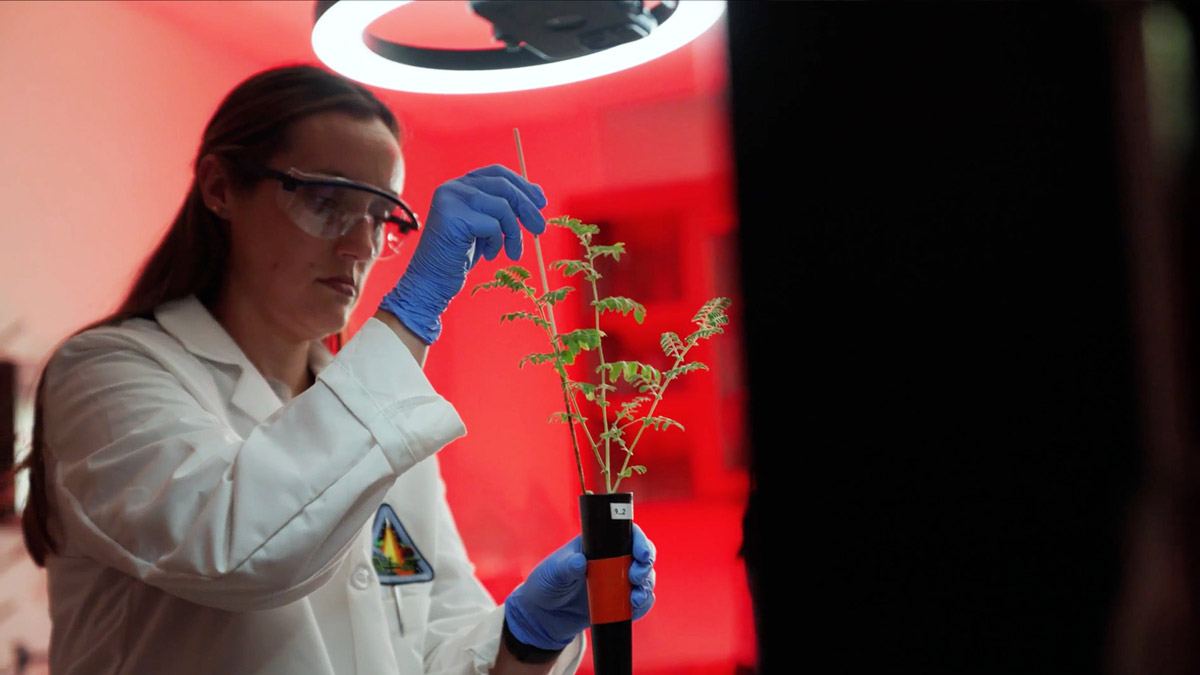
By adding fungi and worm manure to simulated moondust, Texas A&M University researchers were able to achieve a world’s first — growing a small crop of the protein-rich legumes, offering hope for future lunar farming efforts.
Cracking the code of hypersonic flight: A decade of BOLT breakthroughs
May 12, 2026 • 6 min. readAfter nearly 10 years, three flight experiments and a flying rocket lab, scientists map out the chaotic forces of ultra-fast flight, redefining the future of aerospace travel.
Texas A&M develops TAMU-SPIRIT, a dedicated research platform on the International Space Station
Feb. 5, 2026 • 3 min. readThe partnership with Aegis Aerospace positions Texas A&M University System scientists at the forefront of space-based research and exploration.
From the Newsroom

Cracking the code of hypersonic flight: A decade of BOLT breakthroughs
May 12, 2026 • 6 min. readAfter nearly 10 years, three flight experiments and a flying rocket lab, scientists map out the chaotic forces of ultra-fast flight, redefining the future of aerospace travel.

Human space research gets a boost from retired NASA centrifuge
April 20, 2026 • 5 min. readA NASA centrifuge finds a new home at Texas A&M’s Anthony Wood ’87 Artificial Gravity Lab, enhancing research on health impacts of human space travel.
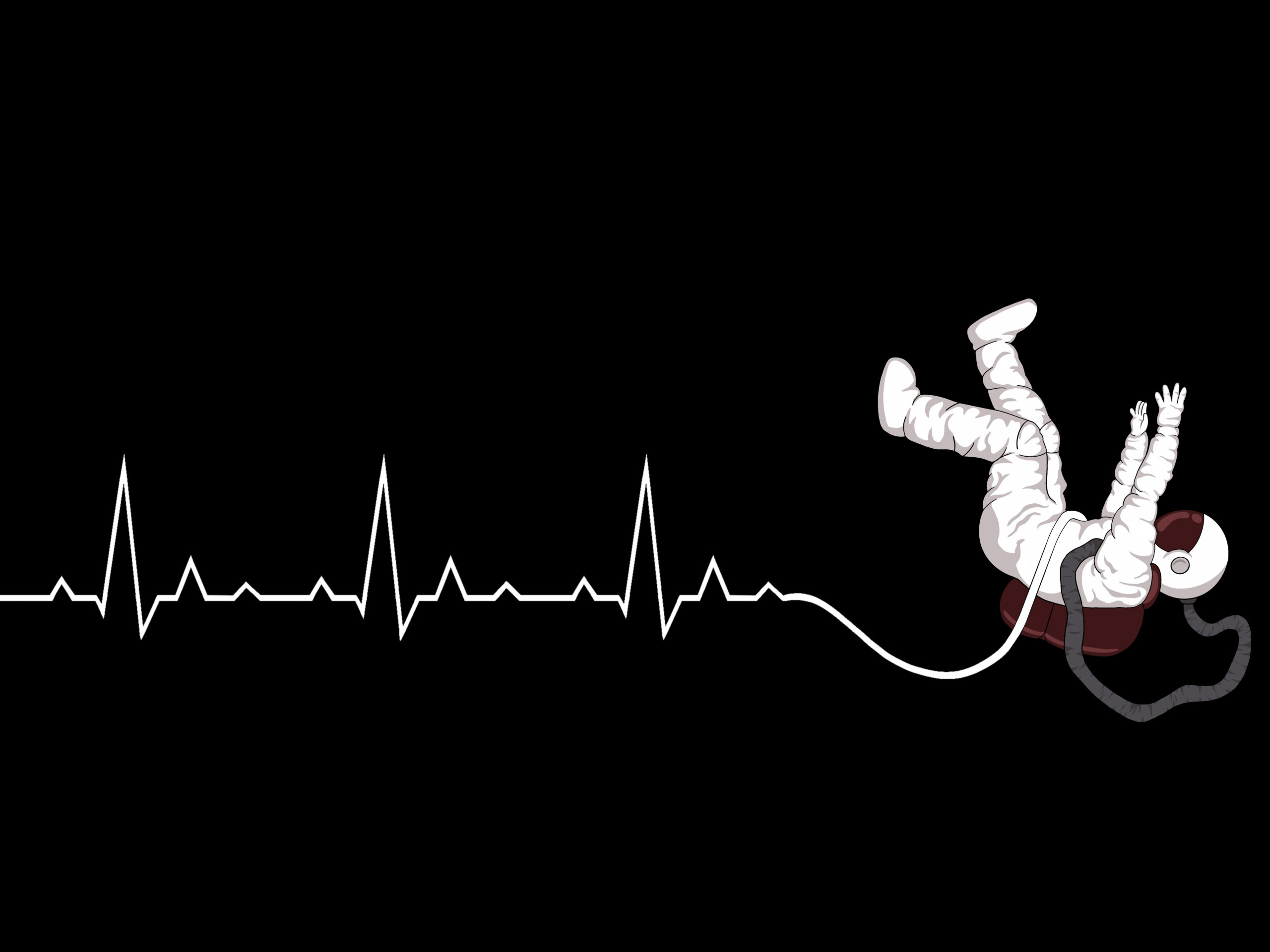
Texas A&M University researchers are investigating how changes in gravity affect cardiovascular function.
Living Up to Our Space-Grant Legacy
Texas A&M has its eyes on the stars — and is conducting space-based research across multiple disciplines.
Subscribe to Our Newsletter
Subscribe to the Texas A&M Today newsletter for the latest news and stories.
Subscribe